Ten things I brought back from the Lenny & Friends Summit 2026
André Marquet's ten takeaways from Lenny & Friends Summit 2026: event-design lessons, and what Claire Vo and Marty Cagan said about the PM role.

Guest post for the Product Management Society, at Gabriela's invitation. By André Marquet, founder of Productized.
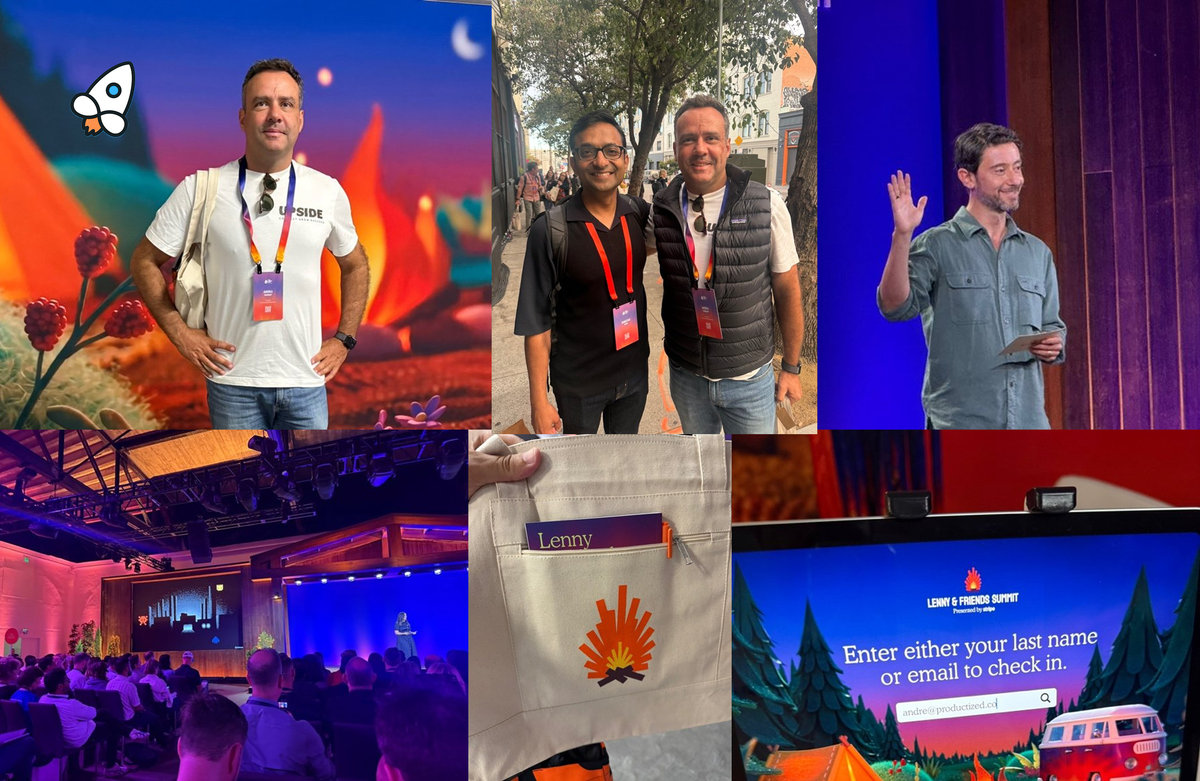
I went to San Francisco to attend Lenny & Friends Summit this past September 10th with two hats on. One was the usual: a product person trying to keep up with a field that is being rewritten in real time. The other was the organizer's hat. I run the Productized Conference in Lisbon since 2015, and part of my mission was to walk the sponsor floor, talk to participants there, and understand how they see the shift happening in product management. Some of them may be in Lisbon next year.
Before I tell the story about attending the trip itself is worth mentioning that I’ve applied to attend Lenny & Friends Summit, and I got a rejection letter:
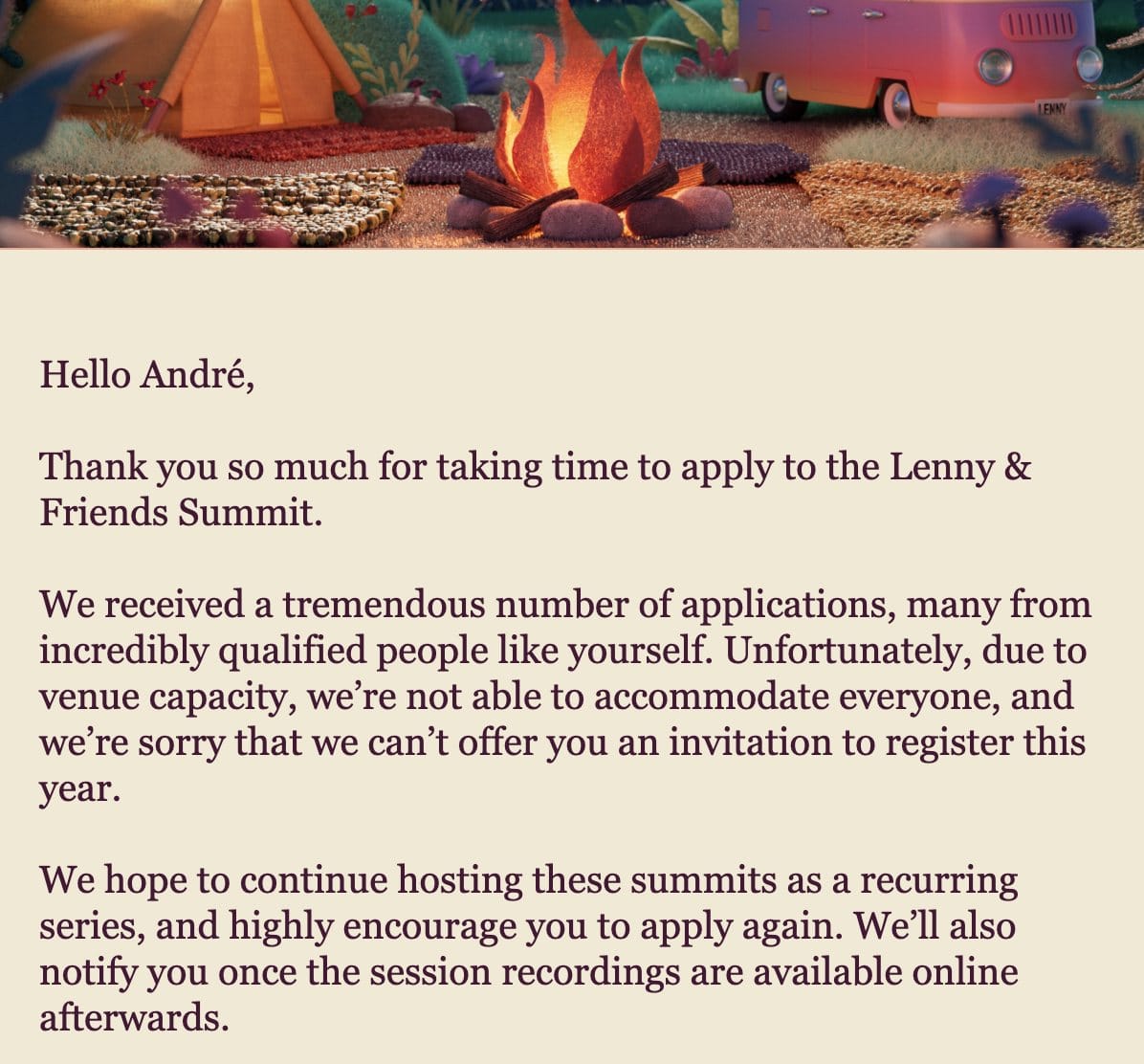
I was obvisously sad, but humble to recognize that probably more suited people deserved to be there more than I do, so I did not appeal and just accept it. Alas, a few days later I got this message:
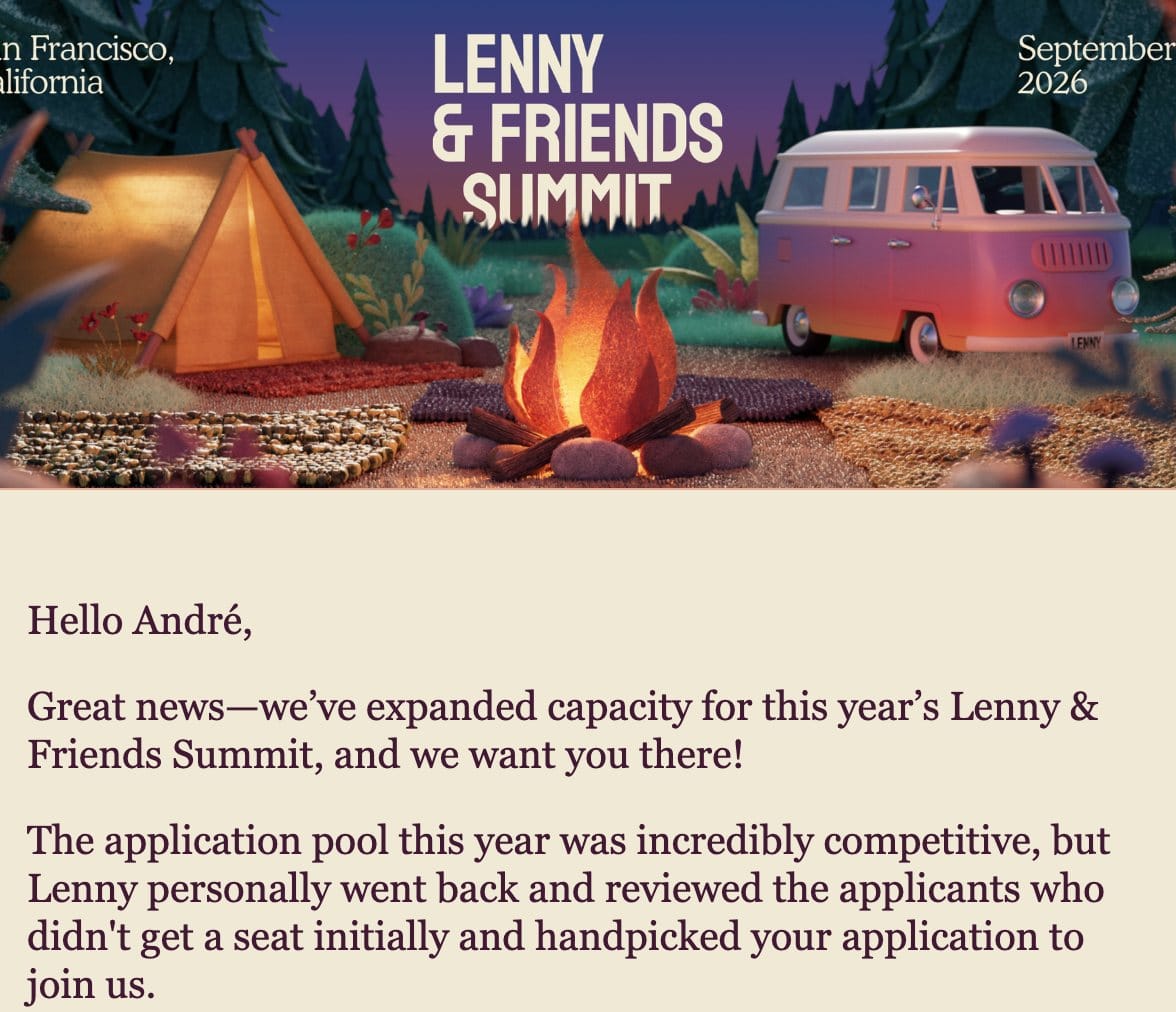
So I ran to buy the ticket to secure my spot. And I’m in!
Now this list is split. The first half is about how the event itself was built, because I think organizers learn more from other people's events than from their own. The second half is about what was said on stage. A caveat on that: I did not see all eleven talks. I was in workshops, at sponsor booths and in corridors for a good part of it. For the sessions I missed, I am leaning on the community notes that Andrew Draper (another participant) published on GitHub, which AI summarized every stage session with the caveats each one deserves.
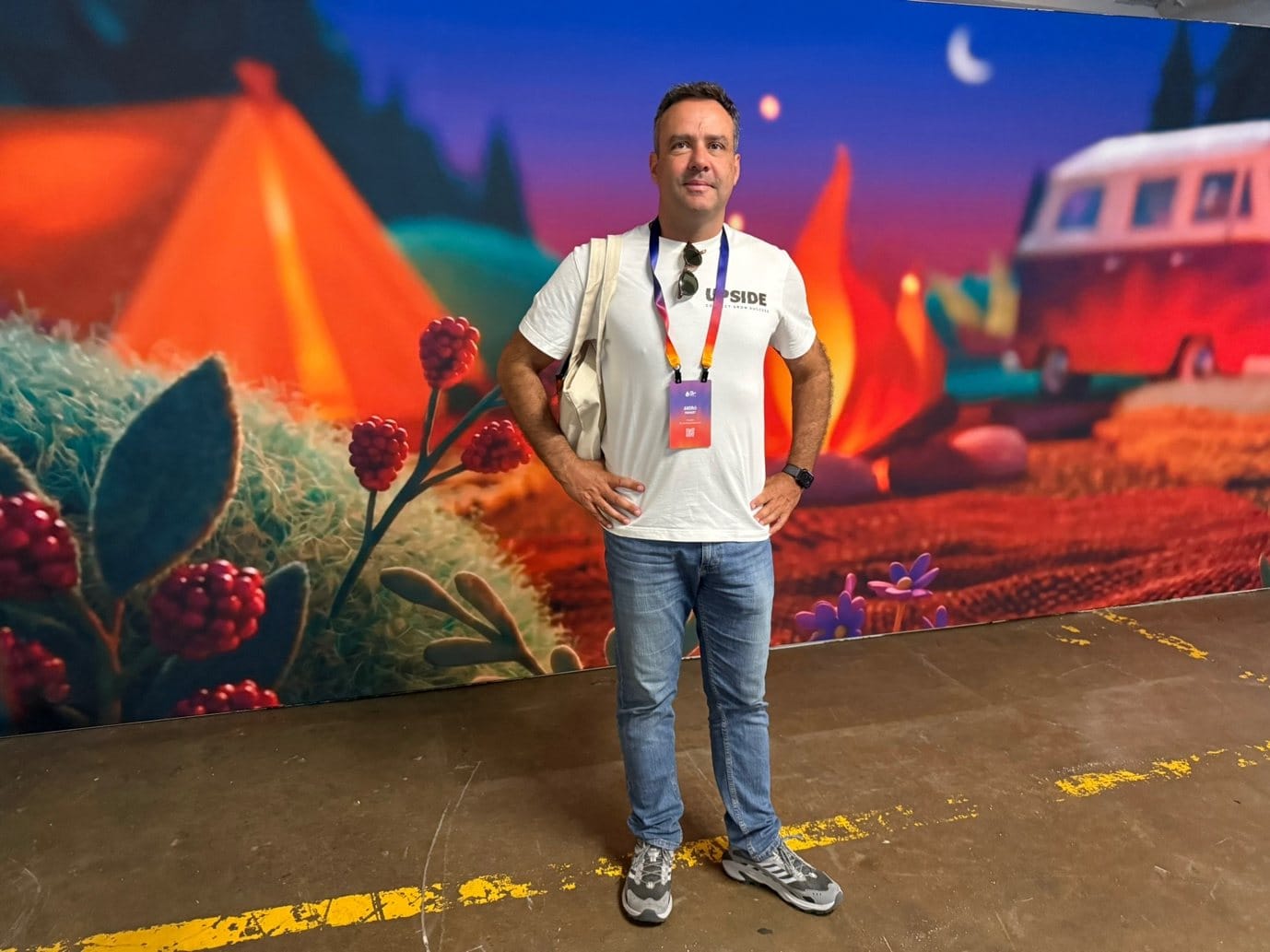
So here goes my ten things I brought from Lenny & Friends Summit 2026:
1. Separate curation from logistics
The single smartest organizational decision I saw: Lenny Rachitsky did not run the logistics. As announced on stage at the opening, Stripe did. Stripe runs its own large events, has the muscle memory, and took over the operational side. Lenny kept what he is uniquely good at: curation, taste, the speaker line-up, the tone.
Most conference organizers try to do both and end up mediocre at one. The lesson is not "find a Stripe." It is: know which half of the job is your actual edge and be willing to hand the other half to someone who does it at scale.
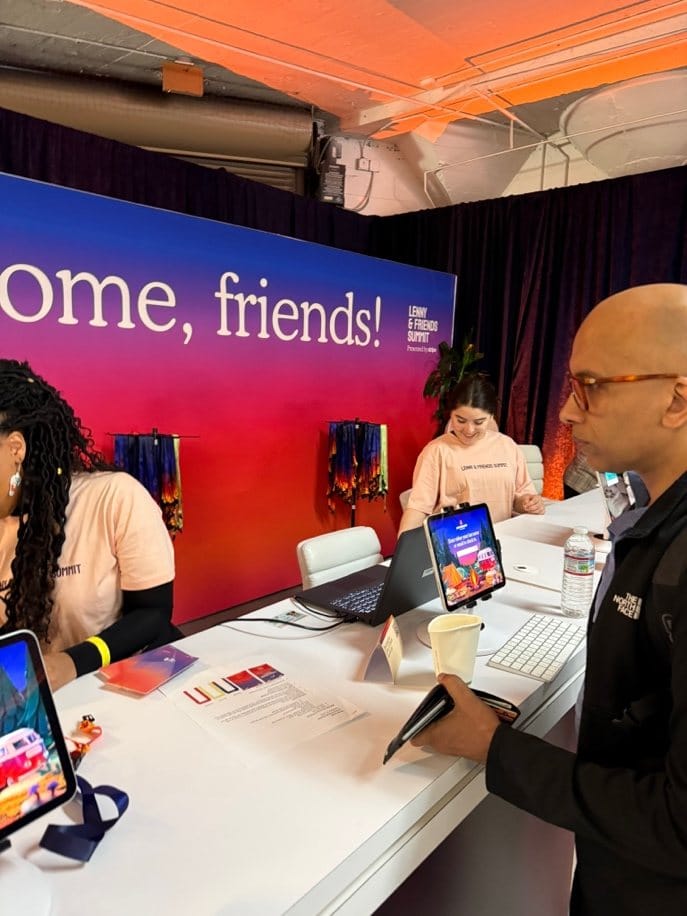
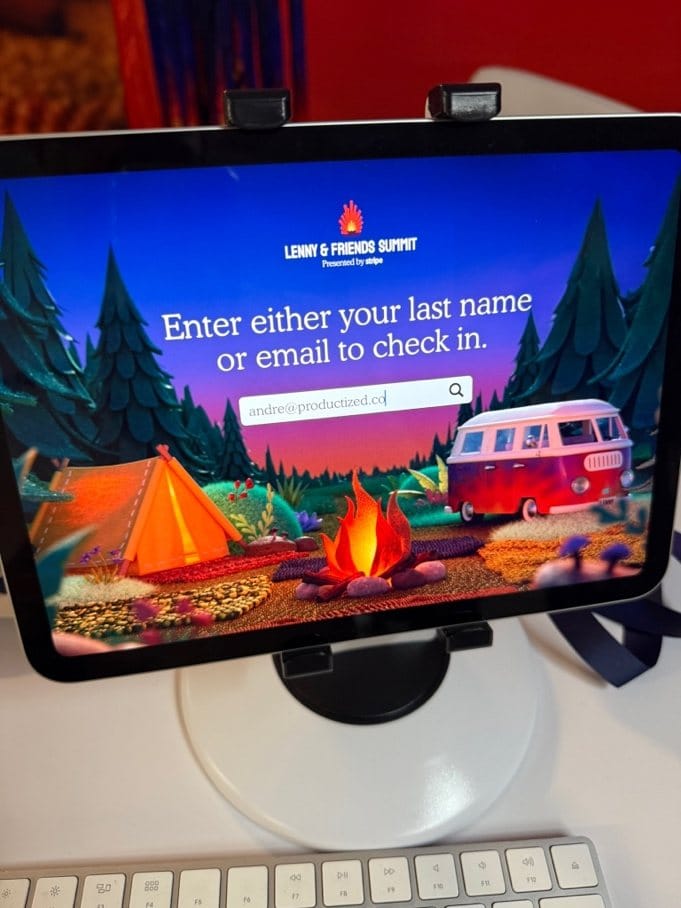
2. Detail is a signal, and attendees read it instantly
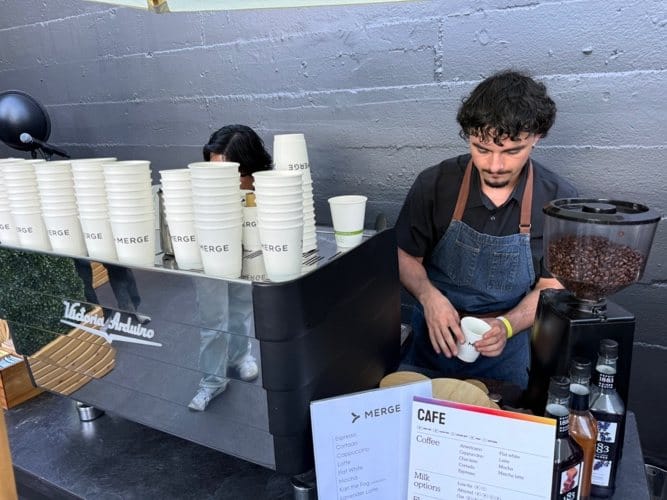
The venue is a converted former garage, SVN West near the Civic Center, now a proper events space but still carrying the industrial, slightly hipster feel. Check-in took seconds. There were dozens of volunteers, and they were visibly happy to be there, which is rarer than it sounds; some of the nicest conversations I had all day were with volunteers.
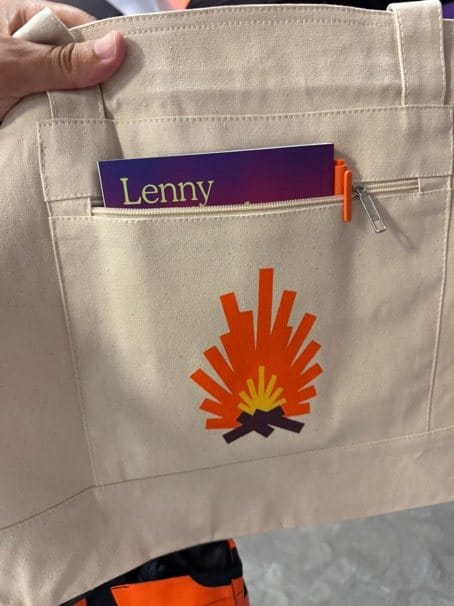
The swag bag at check-in was deliberately simple: a notebook and a pen. The pen was a fine-point Japanese-style ballpoint that writes remarkably well. That is a small thing. It is also exactly the kind of small thing that tells you someone tested it before ordering two thousand.
3. Make the sponsor floor a destination
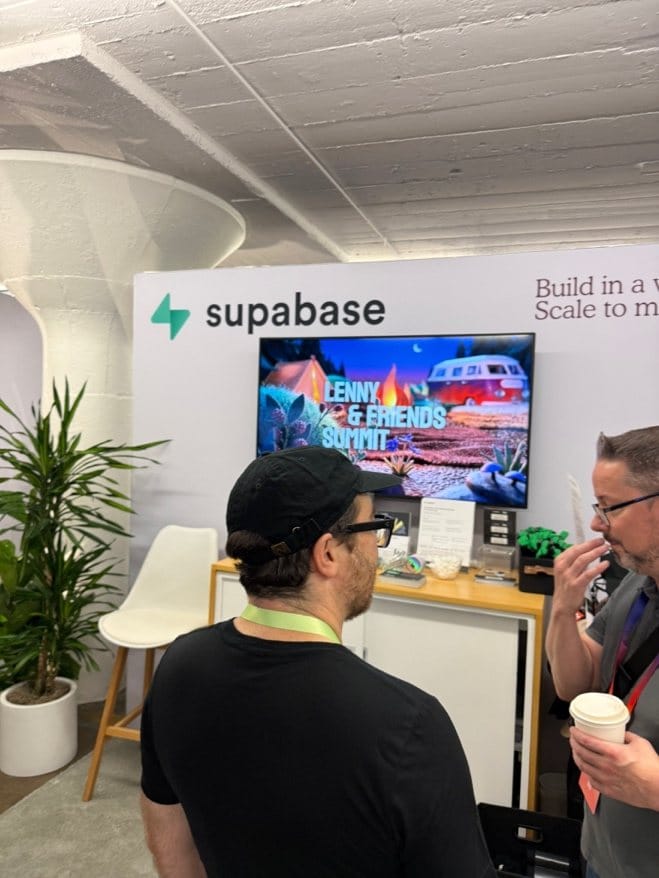
The entire first floor was sponsors: Datadog, Amplitude, Supabase, Linear, Superhuman, Stripe and others. Two design choices made it work.
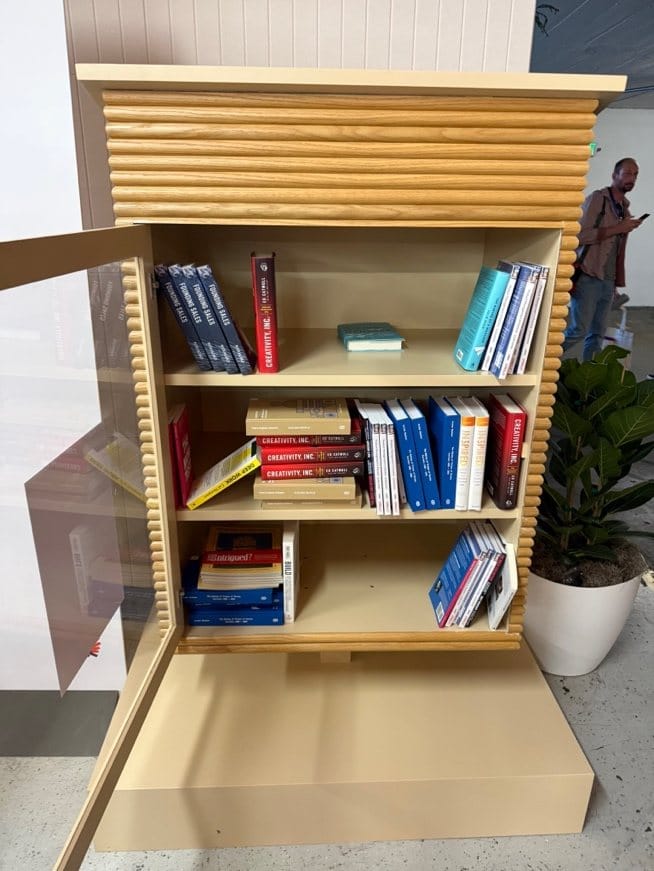
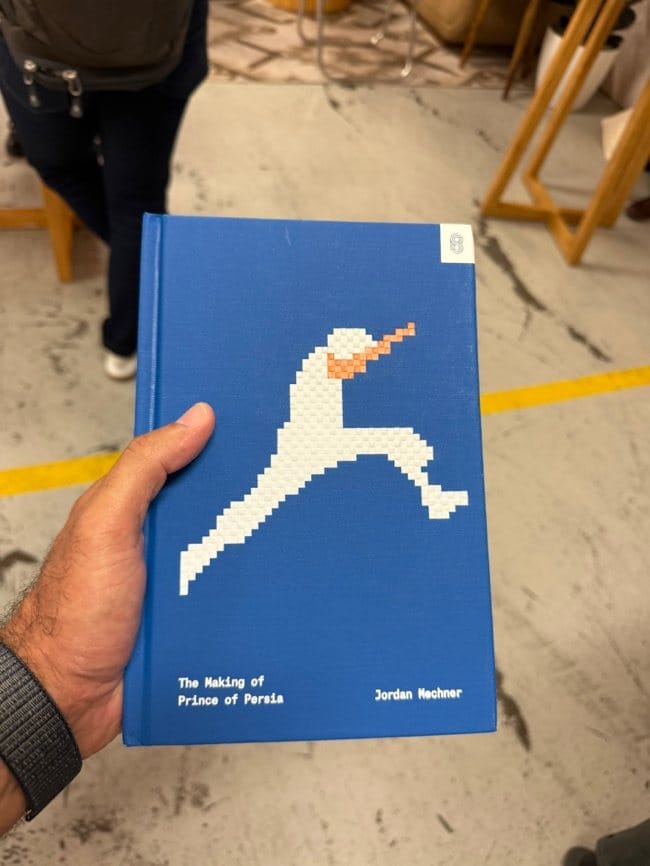
First, every booth had the same footprint and format. Nobody could buy their way to a bigger stand, so the competition moved to activations: Mac minis, MacBooks, t-shirts, caps, and in Stripe's case a wall of books from Stripe Press in self-serve boxes that looked like small bento cases. You opened one and took what you wanted. I restrained myself and left with two: the diaries behind the making of Prince of Persia, which I had been meaning to buy for years, and a book on sales, which I think is the most under-read topic in our field.
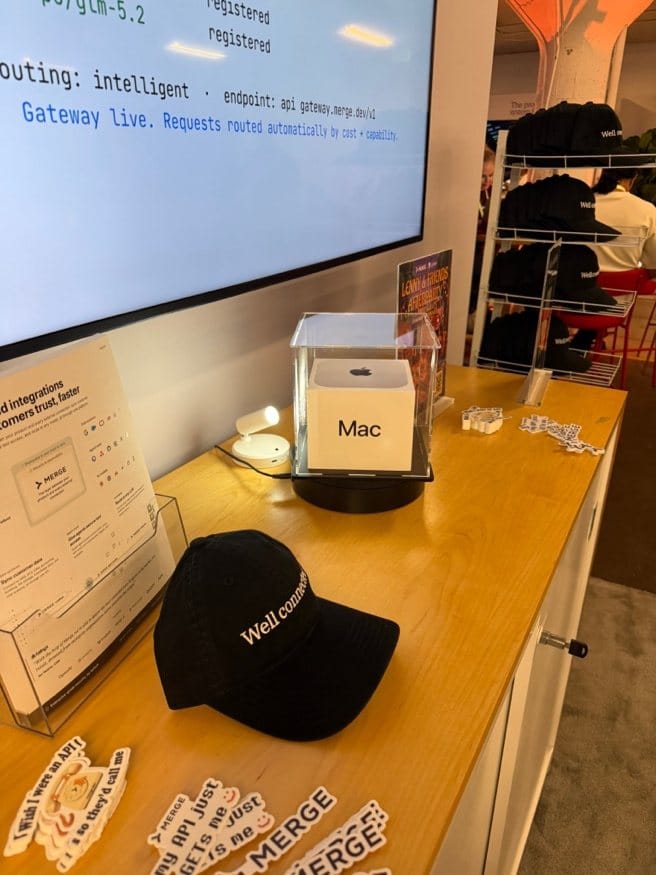
Second, gamification. The goodies were not in the bag; collecting them was a side quest across the floor, with points, and a Summit t-shirt at the end for anyone who crossed the threshold. It gave people a reason to talk to every sponsor, which is the one thing sponsors are paying for.
4. Two formats that still have not earned their keep
The event app was fine as an agenda. But its attendee directory was competing with a Slack workspace running in parallel, and Slack won. I remain unconvinced that most conference apps add value beyond the schedule, and I say that as someone who has paid (too much) for them.
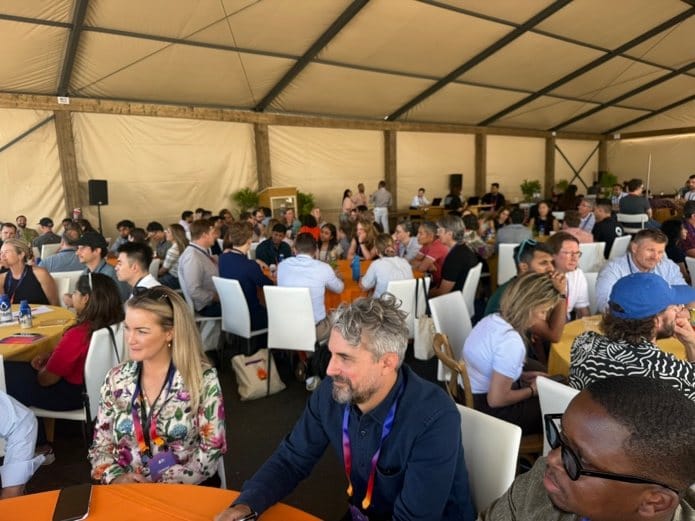
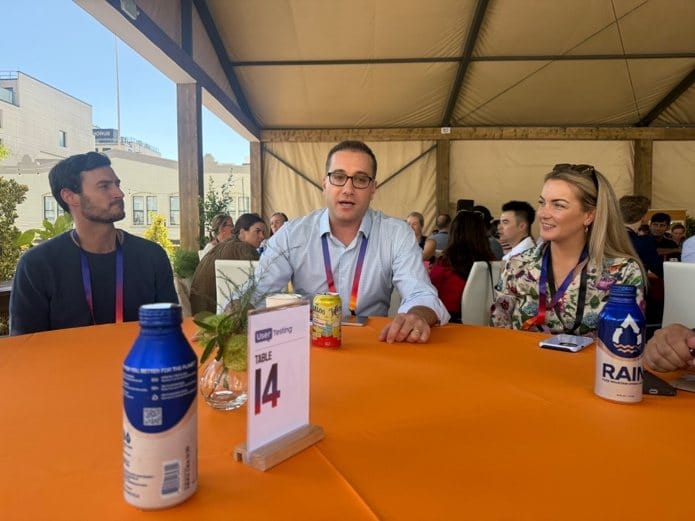
The sponsored roundtables were weaker than the rest of the programme. Each was hosted by a sponsor, and the outcome depended almost entirely on the moderator. Where the moderator was strong, they were good. Where they were not, two or three loud people took the room. If you run roundtables, the moderator is the format. Choose them the way you choose keynote speakers.
5. Claire Vo: the roadmap was built for scarcity, and scarcity is gone
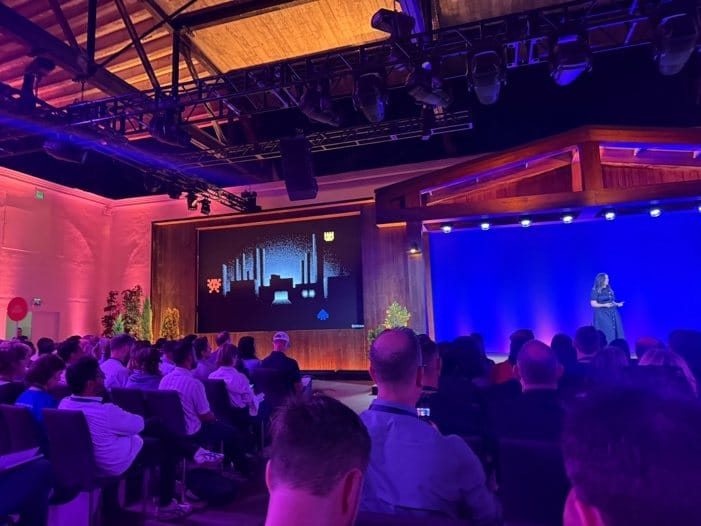
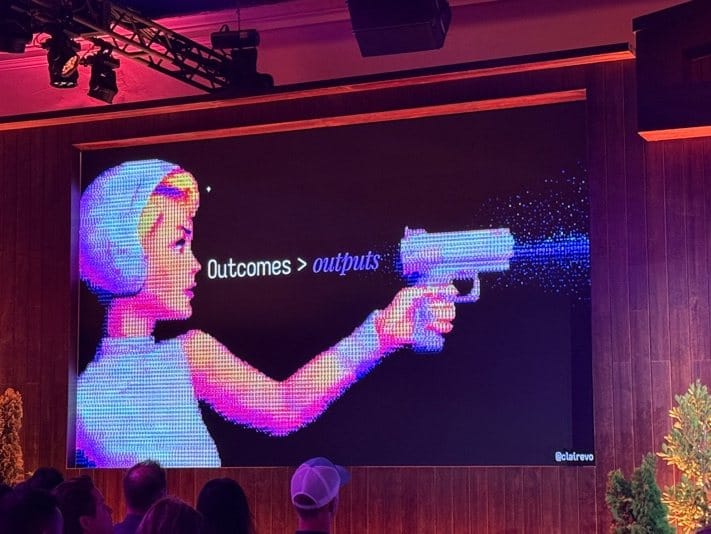
Claire Vo's, first at Productized Podcast back in November 2018 (link), opening argument was the one everyone argued about for the rest of the day. Roadmaps exist because engineering capacity was the scarce resource and prioritization was how you rationed it. When engineers, PMs and designers can all ship, that scarcity dissolves, and prioritization stops being a strategy. What becomes scarce is knowing what is worth building at all.
Her warning is that the same speed lets you ship your own bad ideas faster. She named three traps: the backlog trap (clearing requests and calling it progress), the parity trap (everyone building the same obvious features), and the churn trap (abandoning releases before learning from them). Her alternative is a cycle: conviction, then evidence, then building, then reallocation. Label every shipment as a probe, an experiment or a promise, and tell the customer which one they are getting.
The question she left the room with: what can you do in two weeks that used to take you a year?
6. Marty Cagan: the roadmap is not the problem, what you use it for is
Marty Cagan, also a Productized Conference 2018 speaker, closed with ten things he regrets about his own teaching, and he answered Claire directly. He does not expect roadmaps to disappear. The question is whether the artifact presents someone's untested idea as a dated commitment or communicates something the team has already learned and validated. Same document, opposite behaviours.
His tenth regret is the one to sit with: underestimating how much people will use frameworks, process, and now language models to avoid thinking. He also regrets overselling problem discovery at the expense of solution discovery, understating business viability, and neglecting why customers do not adopt what you built. The sharpest line for our community: winning customers away from an alternative requires a meaningfully better product, not a respectable one.
7. The PM role is splitting, and the speakers did not agree on where it lands
Tamar Yehoshua (Atlassian) framed it as rowing versus steering. Sometimes the PM writing code removes the bottleneck; sometimes it creates a new one because nobody is setting direction. She gave an example of a PM who built the early version of a new product, then noticed the team drifting once engineers joined, and stepped back to steer. Her reported compression from six months to six weeks is one company's example, not a benchmark.
Elena Verna went further, describing her move from leading growth at Lovable to a high-impact individual contributor who owns an outcome end to end. Her point is organizational: that role only works if information, authority and pay travel with the accountability.
Cagan was noticeably cooler than either on PMs doing frontend work. I think the disagreement is the finding. Anyone selling you a single answer to "should PMs code" has not been paying attention.
8. Judgment is the new scarce resource, and it has to be practised socially
Four talks converged here from different angles. Katie Dill (Stripe) compared the AI building boom to architecture that copied the look of modernism and lost the thinking. Her fix is to make editing an explicit job: someone walks the entire customer journey and decides what should not ship. "Built", "done" and "good" are three different states.
Karri Saarinen (Linear) warned that when agents do the execution, teams lose the learning that used to come from struggling with the work. Linear's answer is deliberately social: a weekly session where everyone finds and fixes one quality issue and explains why it mattered, and group critiques of new features by people outside the team.
Dan Shipper (Every) runs a one-to-two person research lab separate from the product team, with a pipeline from experiment to internal use to early customers to integration. He expects to discard roughly 90% of what the lab tries.
Robby Stein (Google) reduced product craft to decision quality: understand the real job, diagnose why people are not doing the thing, then bring care to the details. His Instagram examples (Close Friends, Reels) were both cases where the failed assumption was about motivation, not interface.
9. The frontier labs: model capability is not product
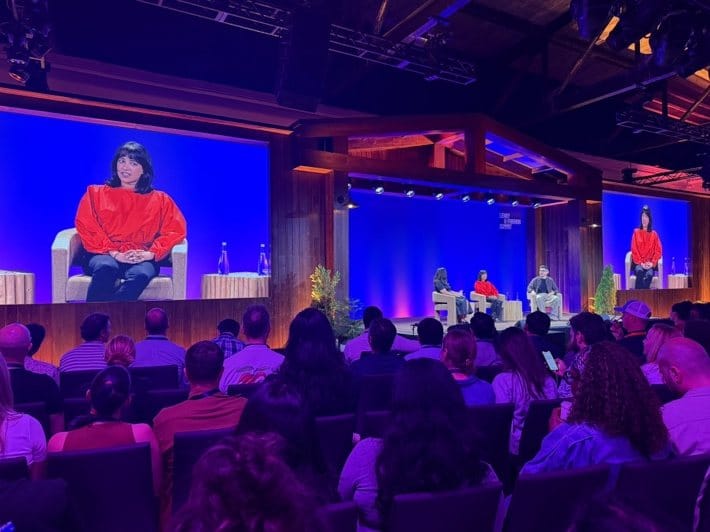
The Anthropic session (Ami Vora and Mike Krieger, moderated by Dan Shipper) and the closing fireside with Tara Seshan (OpenAI) and Nan Yu (Anthropic), moderated by Claire Vo, said versions of the same thing. Human problems change slowly; solutions change fast; stay attached to the problem. Krieger described a project that improved materially once a PM joined, because somebody had to own customer success, safeguards and stakeholder readiness. Every bet needs one decision owner.
Seshan's point about the last mile stuck with me: an agent that gets almost everything done and fails at the end is more frustrating than one that is honest about its limits from the start. Her planning horizon is two to three months, and she was explicit that other businesses may need longer.
Geoff Charles (Ramp) gave the most operational talk: measure the loop from customer pain to customer relief, not from coding start to coding end. His figures (a coding agent producing 75% of PRs, AI answering 85% of questions aimed at PMs) are speaker-reported internal numbers. Treat them as a direction of travel, not a benchmark.
10. Shreyas Doshi: you are the product too
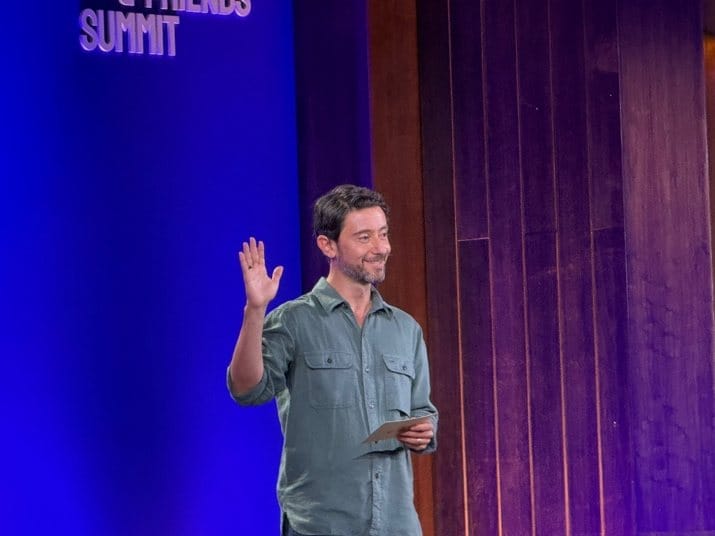
I attended Shreyas Doshi's workshop, titled roughly "You're already successful, now what?" I do not consider myself in the target audience, and Shreyas said as much about the room, but the content travels.
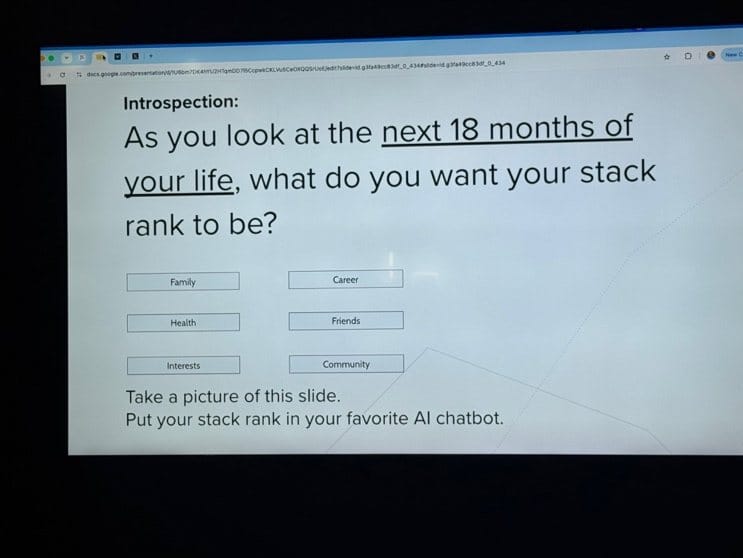
His argument: others will judge your success by title, money, scope and prestige. The only useful question is what success means to you. His own answer, arrived at in his mid-forties, is time optionality: the ability to decide how much of your time goes to family, health, career, interests, friends and community, and to move those weights when life changes. Getting there requires some radical tactics: accepting you will not have it all, shifting from external to internal validation, and asking whether you are being conditioned by someone else's definition. His LNO framing (leverage, neutral, overhead) is a practical filter for what to keep and what to eliminate.
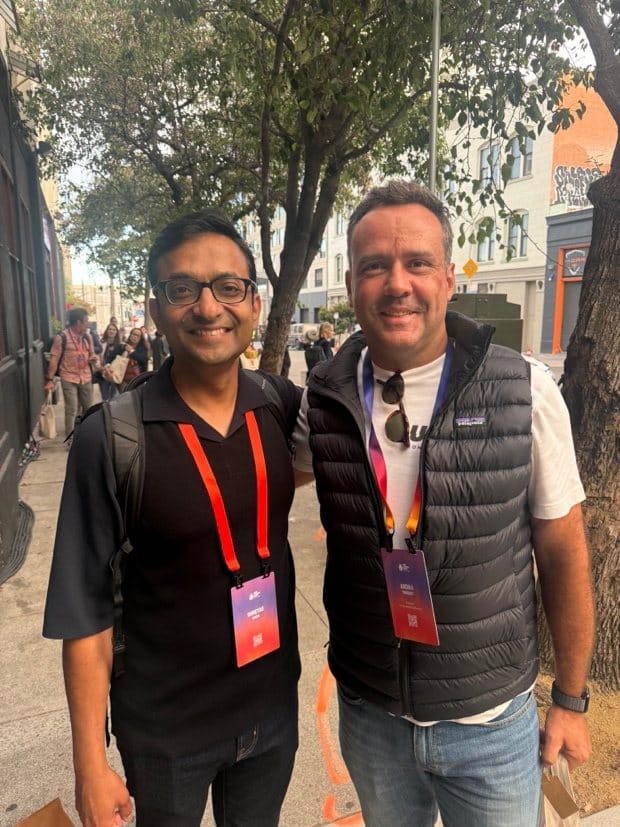
We spoke afterwards, briefly, and took a photo before he had to leave.
What happened off programme
Two notes for organizers and attendees alike.
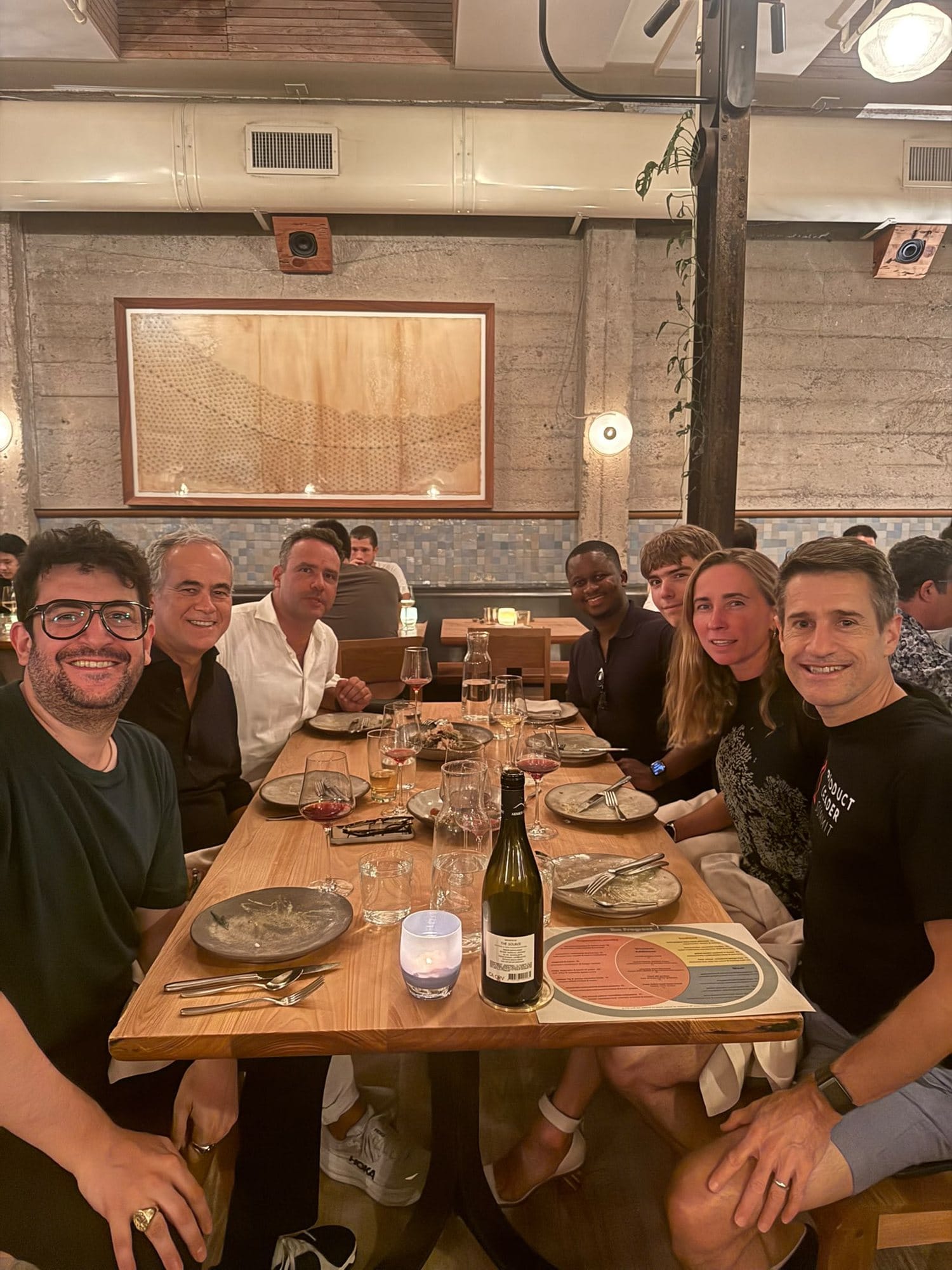
Self-organized side events worked better than the official ones. There was no Lenny running club, so I joined the "Builders who run" group instead. We hosted a Productized dinner the night before the conference with past and prospective Productized Conference speakers, including Dan Olsen (my partner in crime), Matt Le May, Elena Luneva and Pedro Leão from AICEP San Francisco that helped find the right venue. Also, the Portuguese speaking contingent found each other fast, including my new buddy and startup founder Adriano Júnior, Inês Lourenço, and Bruno Teixeira that probably bet some new record on how many meetings, events, and people he met in SF in just a few days.

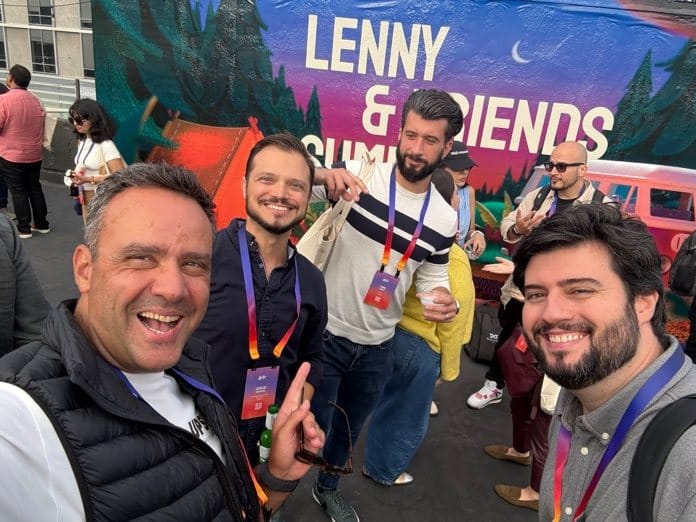
The other note: conferences like this are so dense that they leave no room for you. I took a few days offline afterwards, hiked Mount Tamalpais and Muir Woods, then camped in Yosemite. I guess this was the real Lenny & Friends aesthetics in real life!


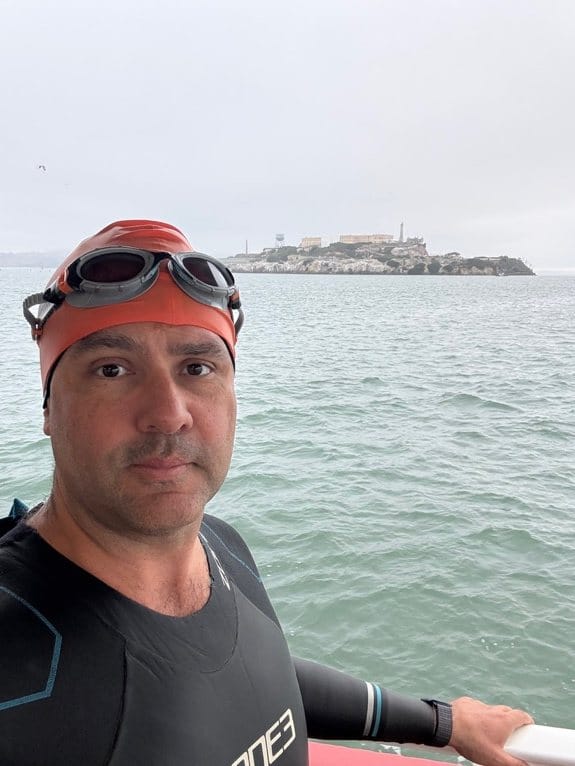
Back in the city, on a last-minute decision, I did the Alcatraz swim. I am not going to stretch that into a LinkedIn parable about what escaping Alcatraz taught me about product management. It was a cold, but fun way to close a trip.

In conclusion
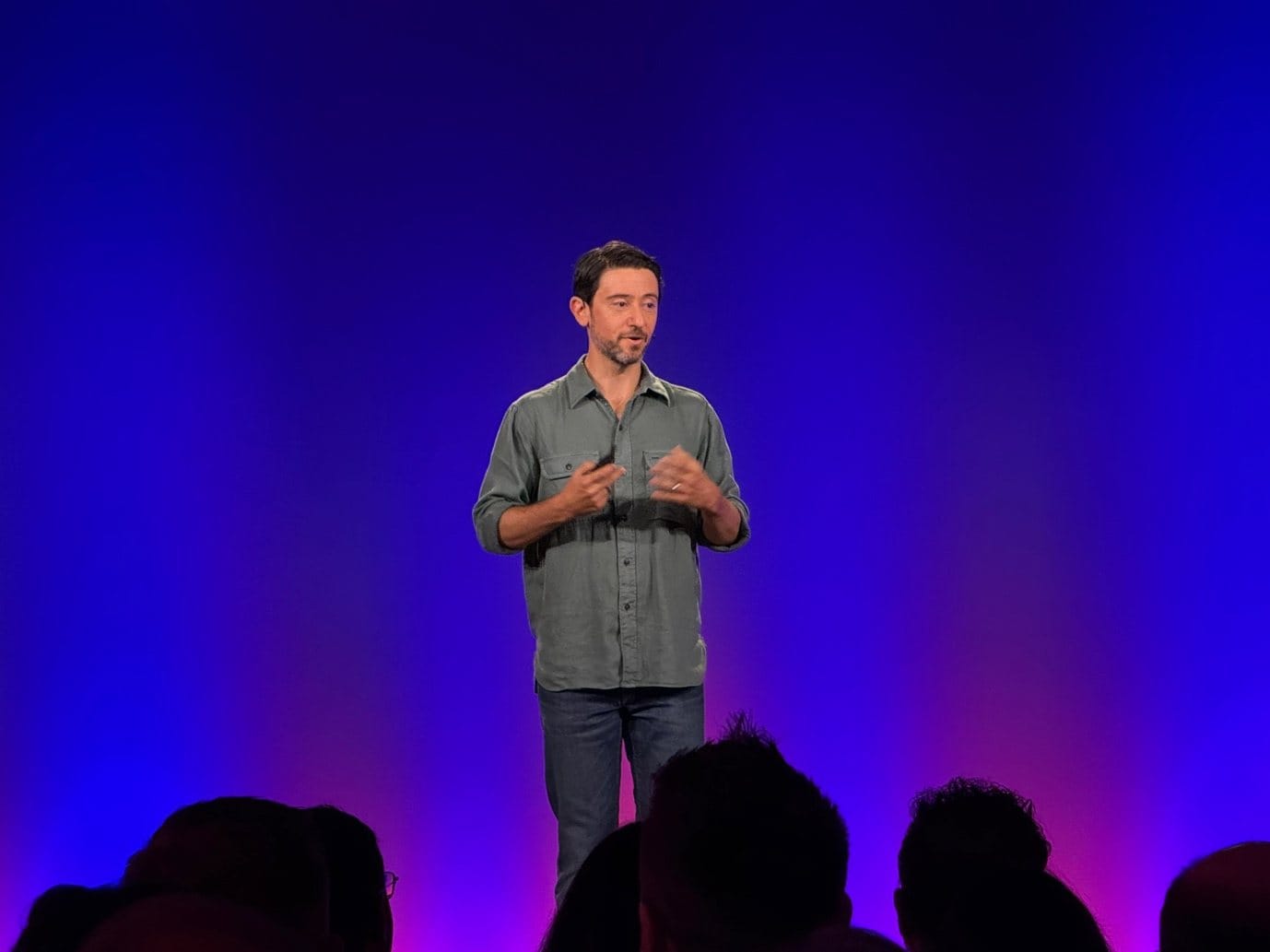
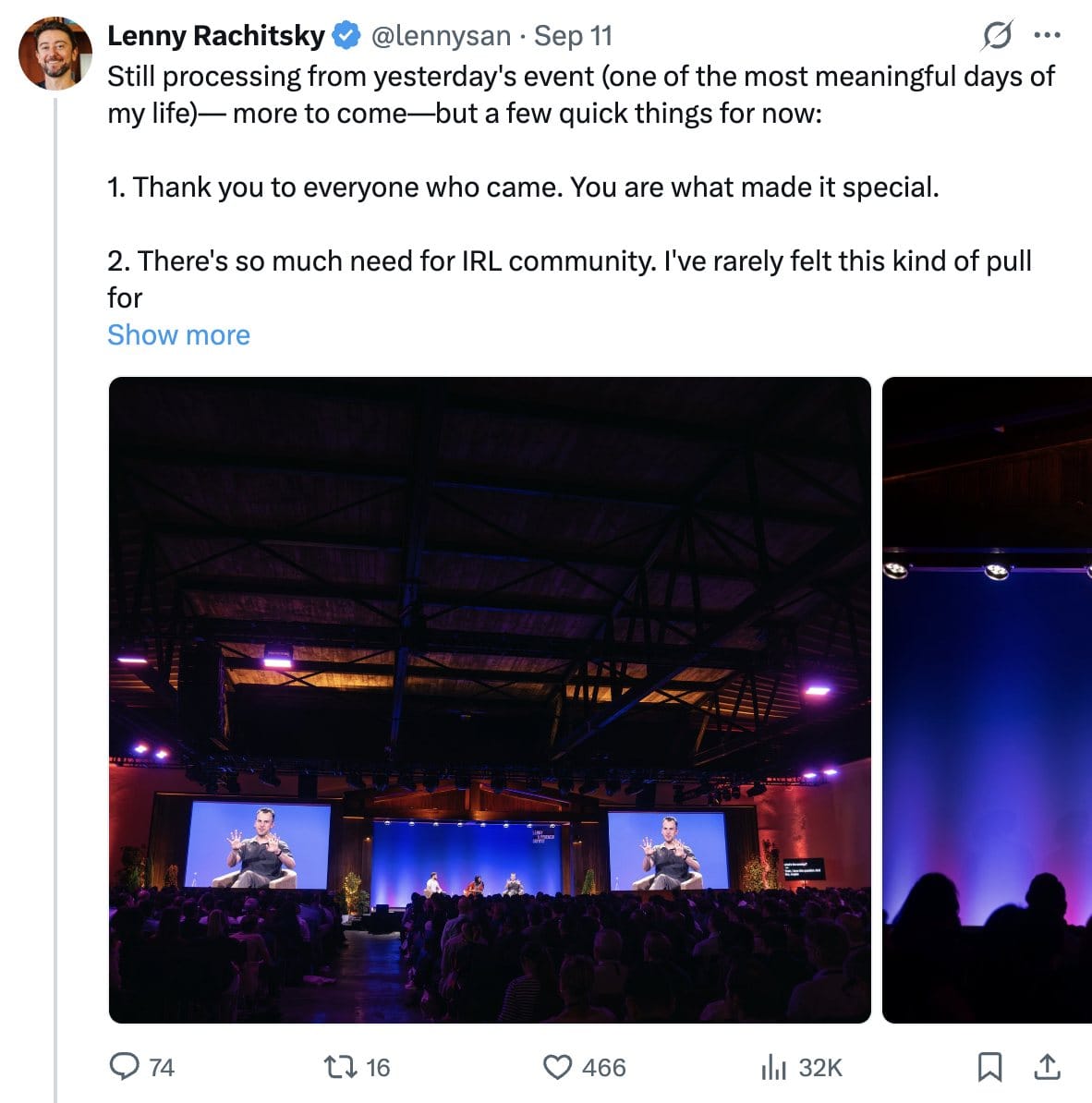
The first is about Lenny himself. Watching from the audience and reading what he has said about it on his own channels since, this format does not seem to come naturally to him. I recognize that. He is a self-described introvert, and when you organize an event, you pour months of energy into it, and then on the day you must be on stage while the whole backstage machine is running in your head. It is your baby, and you barely get to hold it. Bittersweet is the right word, and I understand the pain.
The second is about the room. The side events, more than the programme, gave me connections I am still following up on. And the programme itself, keynotes and panels alike, was a testament to how much confusion there still is about where this profession is going. Nobody on that stage agreed on what a product manager will be doing in two years. That is not a criticism. It is the honest state of the field, but the general outlook is optimist.
I am taking time to attend other people’s conferences, see what works and what does not, and listen to what people are debating. This was the first stop. This last quarter, I’ll speaking at couple conferences myself, Raisina Middle East Forum, Oct 15-16 in Abu Dhabi and at MeOutSummit, Nov 25-26 in Budapest, it’s nice to be on the other side of the stage for a change. If you are going, let me know. I would be happy to share a drink and get to know you.
Full community notes on all eleven talks: github.com/andrewdraper/lenny-and-friends-summit-2026-notes
About Productized
Productized is a Lisbon-based studio and community for people who build products. For eleven years it has run the Productized Conference, one of Europe's longest-running product management events, which brings practitioners and speakers from around the world to Lisbon every year. Around the conference sits a year-round community: the Productized podcast, regular meetups, and executive education programmes for product leaders and teams. Productized also works where product thinking meets defence technology, including the EUDIS Defence Hackathon series in Portugal. More at productized.co
About André Marquet
André Marquet is the founder and CEO of Productized. Before that, he co-founded Beta-i, Portugal's largest innovation hub. He trained as a telecommunications and informatics engineer, holds a master's from ISCTE. He teaches in the postgraduate Defence Economics programme at the University of Coimbra and at product management Universidade Católica Portuguesa. He lives in Lisbon. You can reach him on LinkedIn or at andre@productized.co.
If you’re finding this blog valuable, consider sharing it with friends, or subscribing if you aren’t already. Also, consider coming to one of our Meetups and following us on LinkedIn ✨ And check out our official website.
Connect with the founder on LinkedIn. 🚀
About the Product Management Society
The Product Management Society is an international community for product managers, founders, designers, and career-switchers, with 2,400+ members across active chapters in Lisbon, Berlin, Frankfurt, and Mexico City. The community runs more than 50 in-person meetups per year, a Slack network, an invite-only WhatsApp group, a blog, and a growing suite of free tools for product leaders. More information is available at www.productmanagementsociety.com.
About Gabriela Naumnik
Gabriela Naumnik is an AI product leader and the founder of the Product Management Society. A Staff Product Manager working at the intersection of AI and enterprise product, she focuses on AI-powered platforms serving Fortune 500 companies. She is a regular speaker at product conferences, publishes on product management at the Product Management Society's blog, and has built the PM Society into one of the most influential product communities in Europe and Latin America. She holds a B.S. from NYU/NYU Shanghai and an M.S. from Columbia University. More information is available at gabriela-naumnik.com.